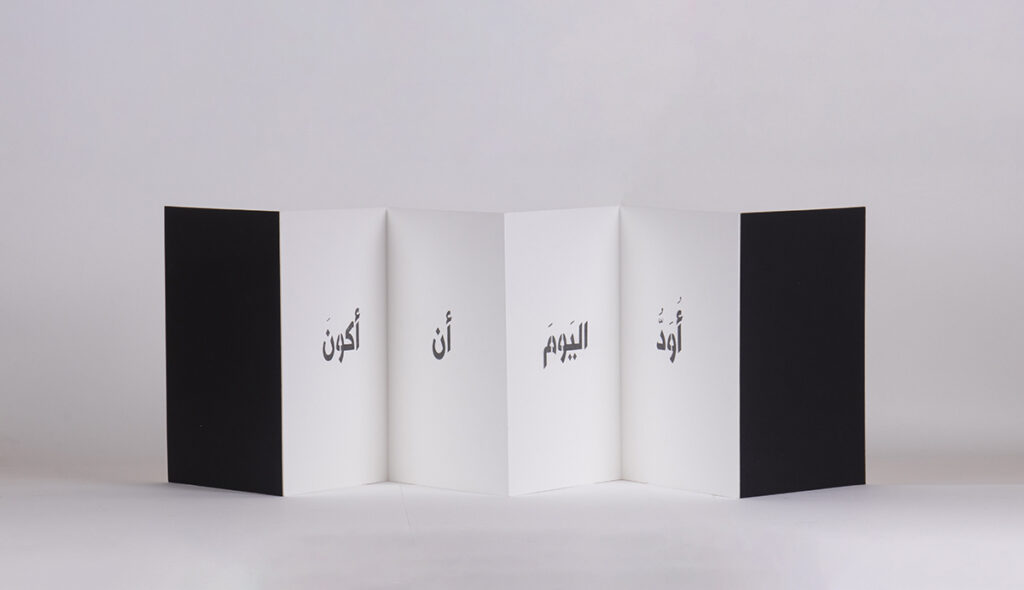
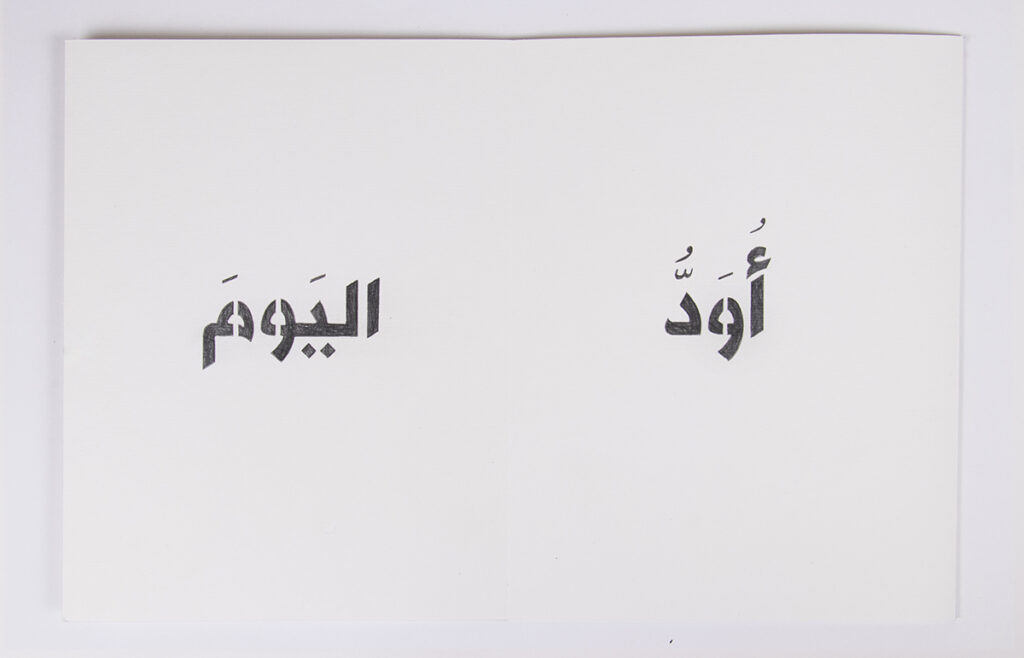
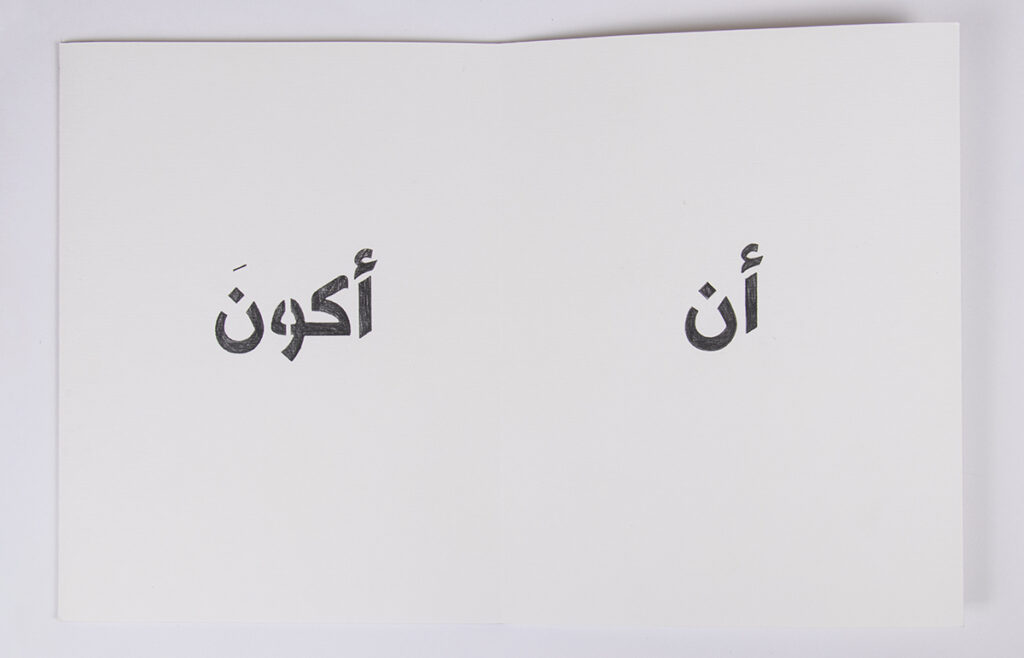
Today, I Would Like to be…
2020
Pencil on paper
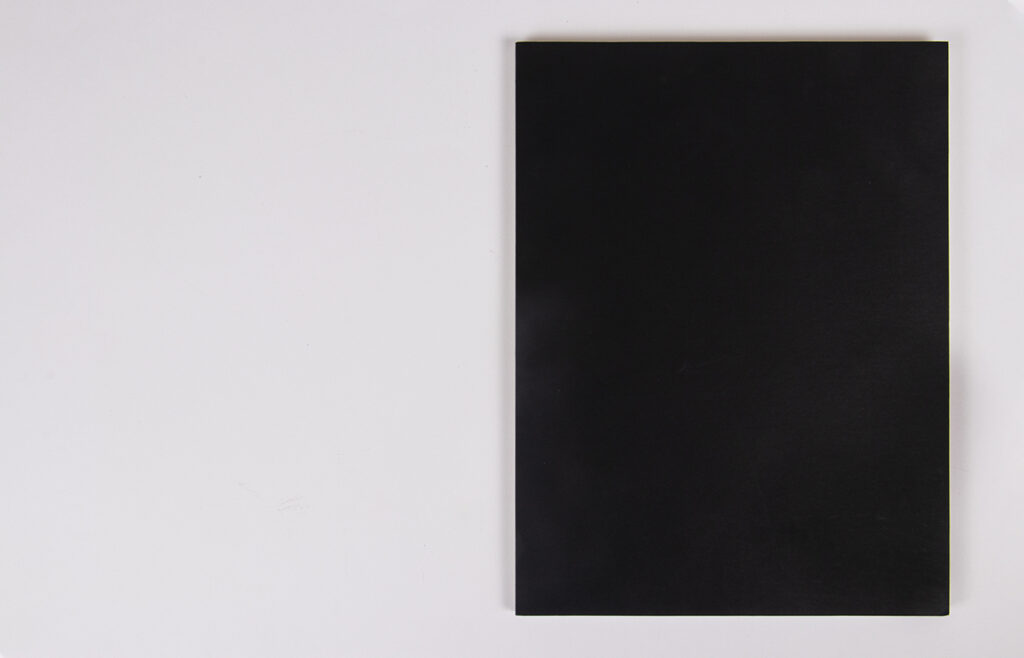
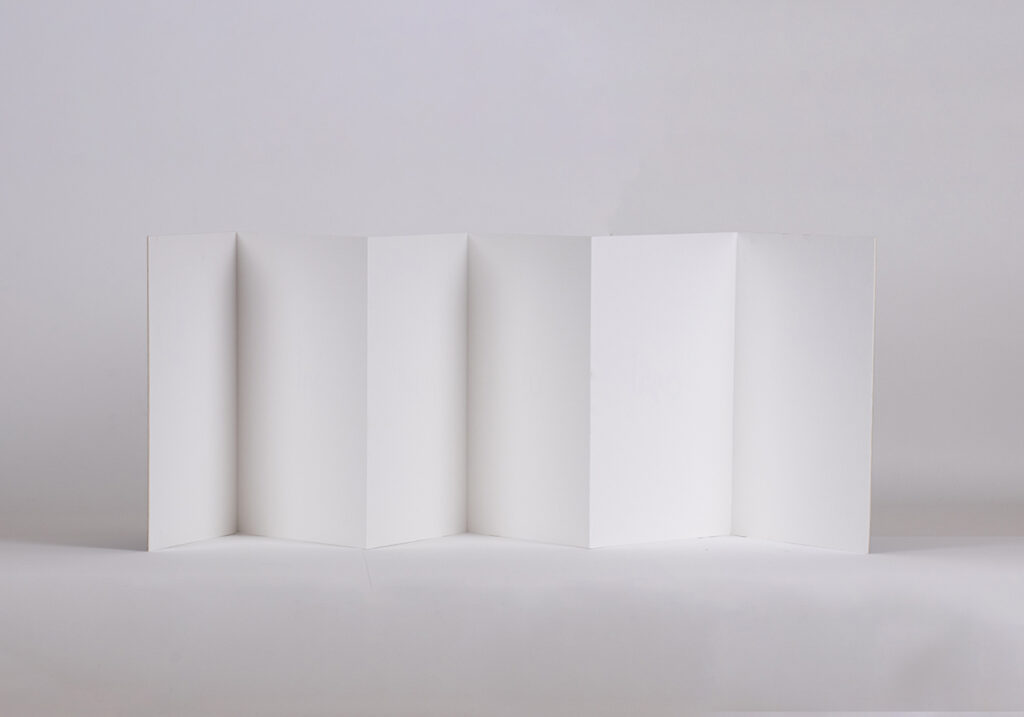
30 x 23 cm (closed); 137 x 23 cm (open); leporello
Artist’s Statement
[Text translated from Arabic]
“Today I would like to be a tree” … a wish, a desire, that accompanied me since the beginning of the pandemic.
Nature was my refuge and revelation, and trees were the silent witness to my life in a city whose social and economic structure were cracking, and in which the dream of a revolution was fading when isolation and social distancing became its bad omen.
When “Cities Under Quarantine” was born, I started my own book. I wrote the phrase, “Today I would like to be.”
I was intending to draw a tree on the flipside of the book, but the August 4 explosion took with it every shred of meaning.
Today I would like to be a tree became a full-fledged project as a response to the destruction and a means of restoring the approximately fifty houses in the gallery’s vicinity. The tree became a mural and took over the walls of the hall that housed my exhibition, Remains of the Last Red Roses, which was destroyed by the explosion.
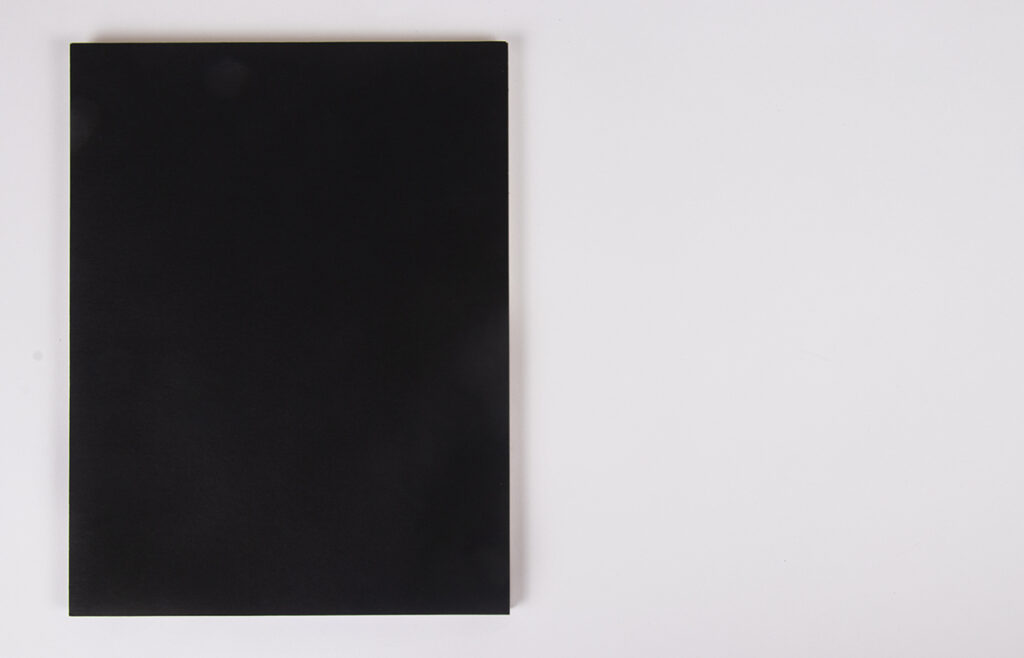
I then left Beirut, and the background of my book remained empty. After about a year, I visited my city and my book again. Time and experience were enough to make me view what I had drawn differently.
I kept the blank white background of the book, open for interpretations and readings, for scenes, and dreams. The act of being became what matters after all we went through.
“أود اليوم أن أكون شجرة”، أمنية، رغبة .. رافقتني مع بداية الوباء.
كانت الطبيعة هي ملجئي الوحي، والأشجار هي الشاهد الصامت على حياتي في مدينة يتصدع هيكلها الاجتماعي والاقتصادي وتتلاشى معها الأحلام بِثورة كان العزل والتباعد الاجتماعي نذيرها السيئ.
حين ابتكرنا مشروع “مدن تحت الحجر الصحي” في دنقلا، بدأت كتابي.. كتبت عبارة “أود اليوم أن أكون”.
كنت أعتزم رسم شجرة على خلفية الكتاب، لكن باغتنا انفجار 4 آب في مرفأ بيروت وأخذ معه كل لون أو معنى للحياة في مدينتي الأم التي أحببت.
استحال “أود اليوم أن أكون شجرة” مشروعاً كاملاً كردّ فعل على الدمار وَوسيلةً لترميم ما يقارب الـ 50 بيتاً في محيط الغاليري.
الشجرة صارت جدارية واستحوذت على جدران القاعة التي احتضنت معرضي الذي دمّره الانفجار.
سافرت بعدها وتركت المدينة، وبقيت الجهة الخلفية لكتابي فارغة.
بعد سنة تقريباً، زرت مدينتي وكتابي مرة أخرى، كان الوقت والتجربة كفيلان بأن أقرأ ما رسمت بشكلٍ مختلف.
أبقيتُ على خلفية الكتاب البيضاء الفارغة التي كانت تنتظر أن أرسم عليها شجرة، مفتوحة على الكثير من الأفكار والمشاهد والحلم بغدٍ أكثر سلاماً. لكن ما أعرفه أن أشجاري اغتيلت مع البشر الذين قضوا في الانفجار، كأن شيئاً ما بداخلي قد اغتيل هوَ الآخَر.
Biography
Abed Al Kadiri (b. 1984, Beirut) is a multidisciplinary artist, publisher, and curator currently based between Paris and Beirut. He has a double major in visual arts and arabic literature. His work focuses on the notion of translating violence, investigating repressed personal and collective traumatic experiences, while emphasizing the destruction of cultural heritage, migration, and belonging. He took part in numerous international group exhibitions and He had recent solo exhibitions at Dumonteil gallery, paris, Galerie Tanit, Munich; Cromwell Place, London; and Sursock Museum, Beirut. His work can be found in private and public collections such as: the British Museum; Institut du monde arabe, Paris; the World Bank, Washington D.C.; Barjeel Foundation, Sharjah; and Arab Fund, Kuwait. In 2017 he was awarded the Sursock Museum’s Jury Award at the 32nd Salon d’Automne. In 2021 Al Kadiri was an artist-in-residence at the Cité Internationale des Arts, Paris . Al Kadiri worked as an art critic before becoming the Director of Contemporary Art Platform (CAP) Kuwait from 2012–15. In 2017, he cofounded Dongola Limited Editions, a leading publishing house that positions artist’s books as an artistic contemporary practice from the Arab world.
Abed Al Kadiri – Today I Would Like to be… , 2020
Quarantined in Beirut; For Cities Under Quarantine – The Mailbox Project