
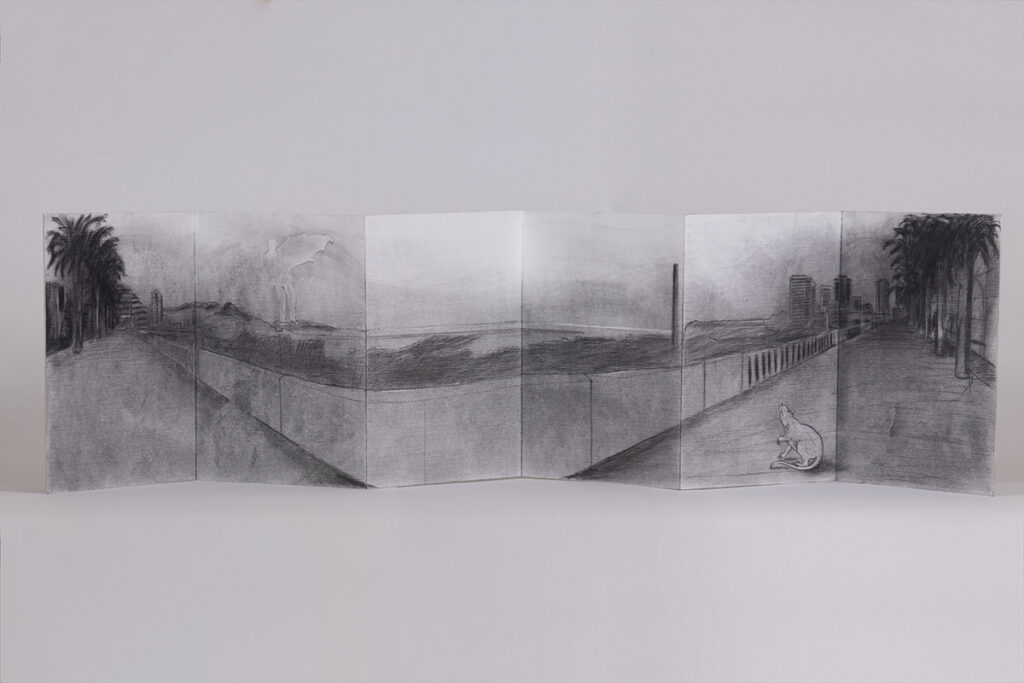
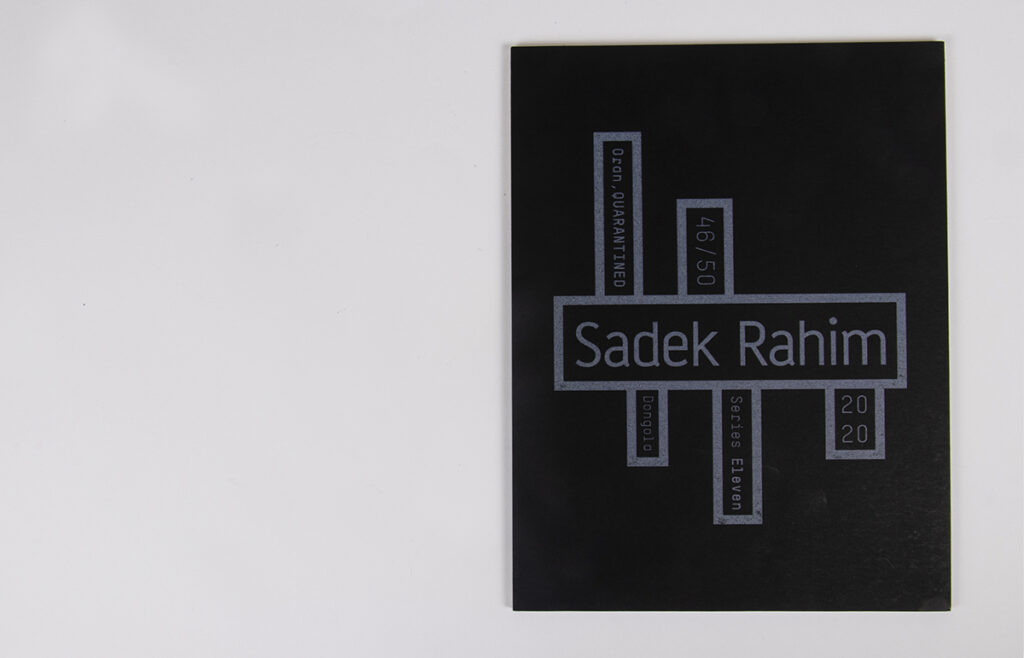
Once Upon a Time: Rats and Bats
2020
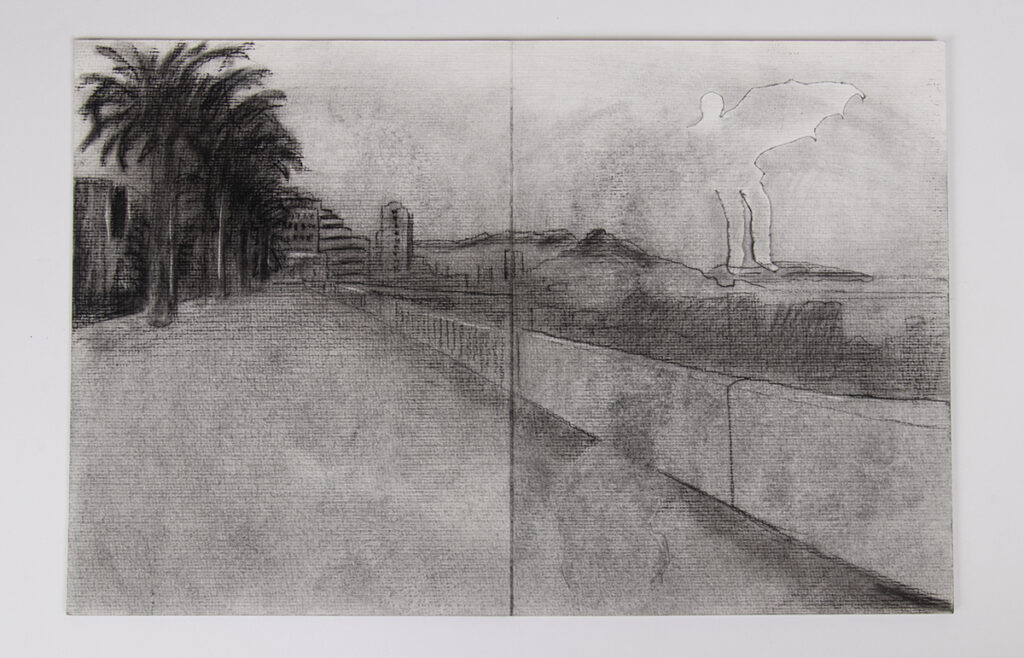
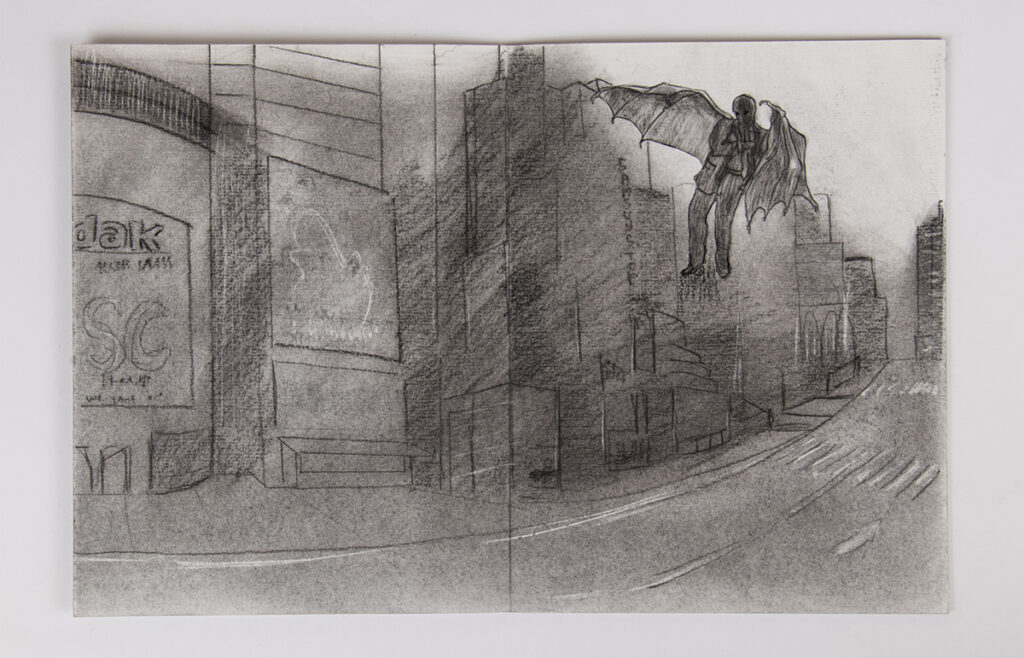
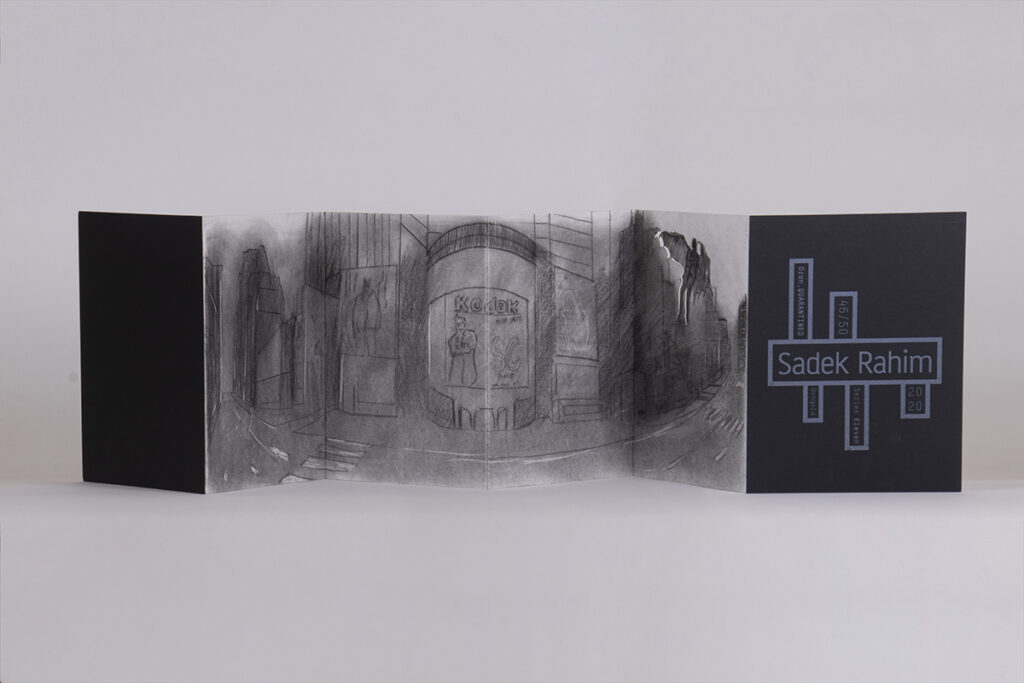
Led, graphite, black stone on paper
30 x 23 cm (closed), 137 x 23 cm (opened); Leporello
Artist’s Statement
[Text translated from French]
The plague would wake its rats
and send them to die in a happy city.
The Plague, Albert Camus, 1947
Albert Camus’s novel chronicles the daily life of the inhabitants of Oran, Algeria, forced to remain confined to their homes during an epidemic of plague which strikes the city and isolates it from the outside world.
In March 2020, just before returning to Oran to live in confinement, and before Trump orders the travel ban, I am in New York. There, at that time, I witness the general indifference of Americans and their government in the face of the pandemic.
In the spring, like many people around the world, and in particular in Oran, I reread The Plague. This reading has suddenly become essential, for in it we found so many echoes of the current state of things. Suddenly, from political fiction, the book becomes a novel of anticipation, if not prediction, a strangely contemporary chronicle of the fear and isolation in which we are all immersed.
Oran becomes a bit like the center of the world and suddenly Oran, my hometown, is the Oran of Camus. No dead rats to announce the plague, but the television, the internet to count the infected.
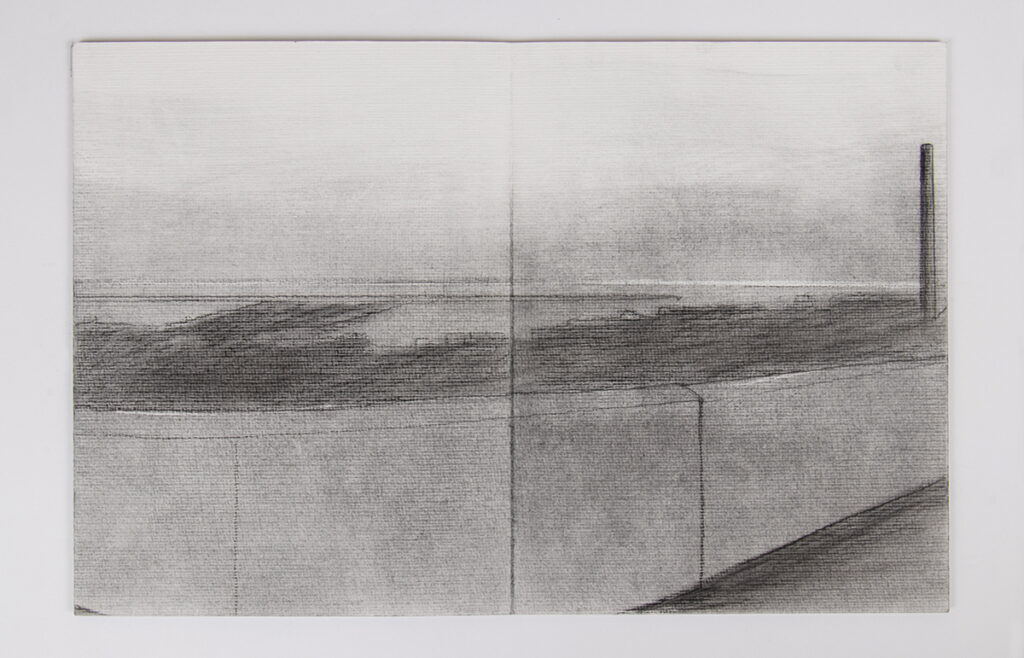
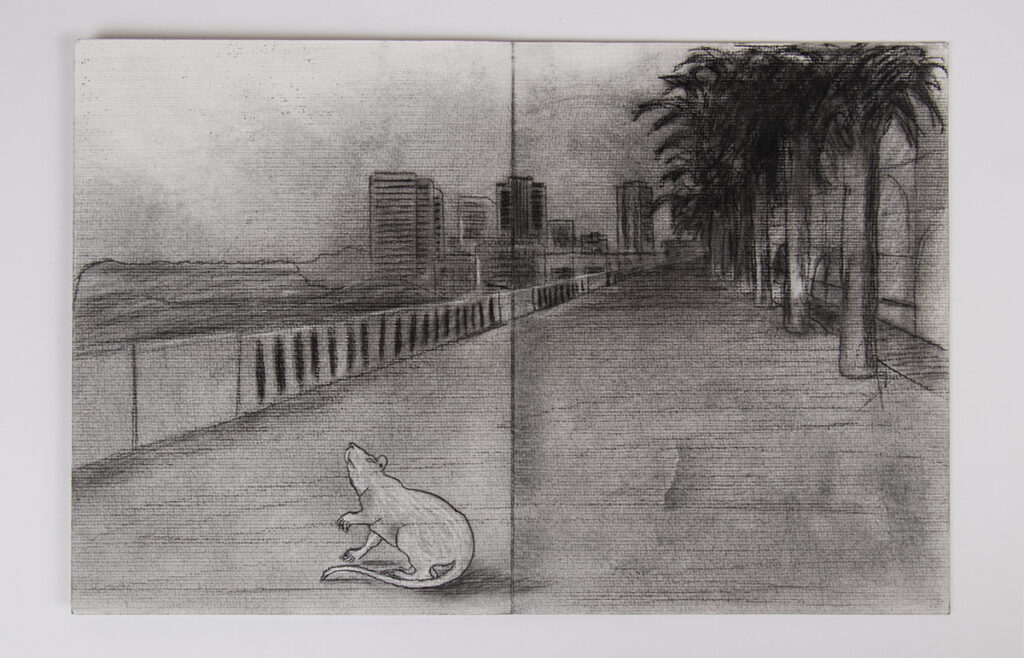
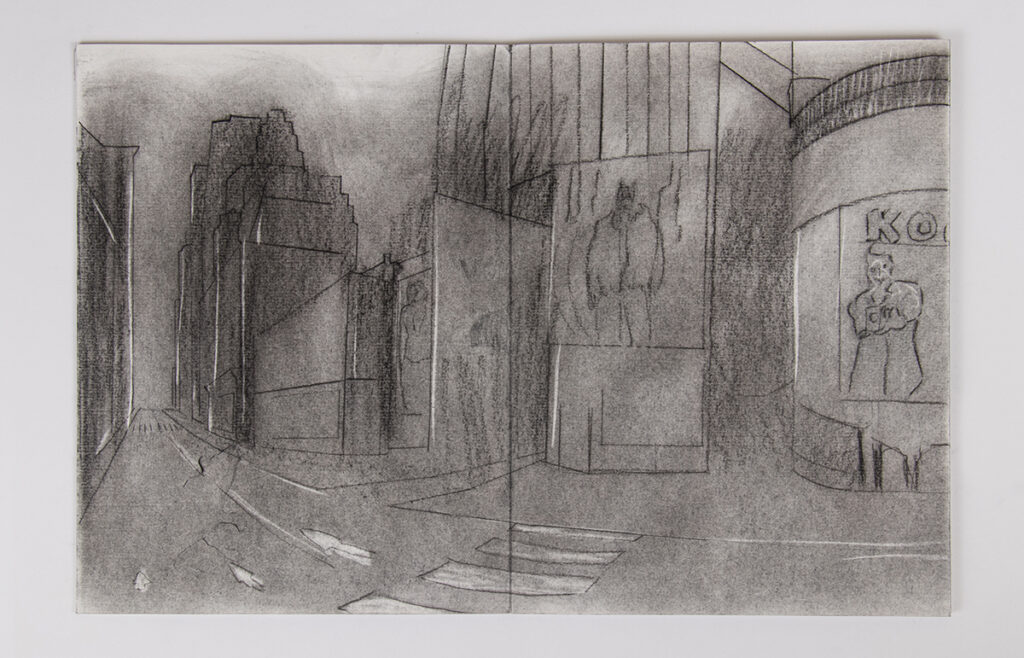
It is with this reading in mind that I created Once upon a time: Rats and Bats. A panorama of the city of Oran unfolds. In the foreground, the rat is reminiscent of both that of The Plague and the wild animal that was the origin of a global pandemic. The atmosphere is gray, evoking the famous Oran fog, but also the somewhat surreal gloom that envelopes the whole city. Oran, so known as a welcoming and festive city, is deserted, the curtains of the shops are drawn, the quarantine is everywhere, making the city ghostly and disturbing, almost absurd.
~excerpt
كان الطاعون يوقظ فئرانه
وأرسلهم ليموتوا في مدينة سعيدة.
آلبير كامو ١٩٤٧
في العام 1947، نشر ألبير كامو روايته «الطاعون» التي سرد فيها تفاصيل الحياة اليومية لسكان وهران في الجزائر، الذين أجبروا على البقاء محاصرين في منازلهم حتى لا يموتوا جراء وباء الطاعون الذي ضرب المدينة وعزلها عن العالم الخارجي.
مارس 2020: كنت في نيويورك وشهدت عدم اكتراث الأمريكيين وحكومتهم بمواجهة الوباء، وقبل أن يصدر ترامب قراراً بالحظر الجوي عدت إلى وهران مباشرة وعشت يوميات الحجر الصحي.
في فصل الربيع، ومثل كثير من الناس حول العالم، ولا سيما في وهران، أعيد قراءة رواية الطاعون. فجأة أصبحت قراءتها ضرورة فقد وجدنا فيها الكثير من أصداء الوباء الذي اجتاح العالم. لقد انتقلت من كونها رواية من الخيال السياسي، لتصبح رواية ترقب، إن لم يكن تنبؤًا، سجلاً معاصراً غريباً للخوف والعزلة التي نغرق فيها جميعاً. فجأة، شهدت المدن حول العالم ما وصفه كامو في «الطاعون» من تقاعس السلطات في مواجهة الواقع، والحبس، والطريقة التي تفاعل بها الجميع مع الشر الطارئ، بالإنكار، والذعر، واليأس، والهروب، والسخرية … أو البطولة – أصبحت وهران إلى حد ما كأنها مركز العالم، عالم سقطت عله ستارة رمادية قاتمة. وفجأة، وجدنا فيروس كورونا في وهران، مسقط رأسي، يلقي بنا جميعاً في وهران كامو. لا جرذان ميتة لتعلن تفشي الطاعون لكن التلفاز والانترنت كانا يعدّان المصابين جراء تفشي الكورونا.
على ضوء هذه القراءة، ابتكرت ذات مرة عملاً أبطاله: الجرذان والخفافيش. تتكشف صورة بانورامية لمدينة وهران. في المقدمة، يذكرنا كل من الفأر بالطاعون والحيوان البري (فأر أم بنجولين أم خفاش؟) الذي كان مصدر جائحة عالمي.
الجو رمادي، يستحضر ضباب وهران الشهير، ولكنه يستحضر إلى حد ما أيضاً الكآبة السريالية المحيطة بالمدينة بأكملها. وهران، المعروفة باسم مدينة الترحاب والاحتفال، باتت مهجورة، وستائر المحلات مُسدَلَة، والحجر الصحي يخيم على كل الأماكن، مما يجعل المدينة شبحية ومريبة إلى حد السخافة.
Biography
Sadek Rahim (b. 1971, Oran, Algeria) is an artist and the co-founder of the Mediterranean Contemporary Art Biennale of Oran and the Contemporary Drawing Salon. Central to Sadek’s work is a social awareness and commitment to highlighting social problems such as the issue of illegal immigration, displacement and identity. His work, which is a combination of photography and installation as well as technology and design, takes an intimate look at the human condition that often includes an ‘emotional effect’ and blurs the lines between the one self and the audience. Rahim graduated with from Central Saint Martins School of Art and Design, London, the Lebanese Fine Arts Academy in Beirut. Sadek has exhibited in many contemporary museums and art spaces in Dubai, Saudi Arabia, Abu Dhabi, France, England, Spain, Argentina, Tunisia, Senegal, USA, Slovakia, and Korea.
Sadek Rahim – Once Upon a Time: Rats and Bats
Quarantined in Oran; For Cities Under Quarantine – The Mailbox Project